
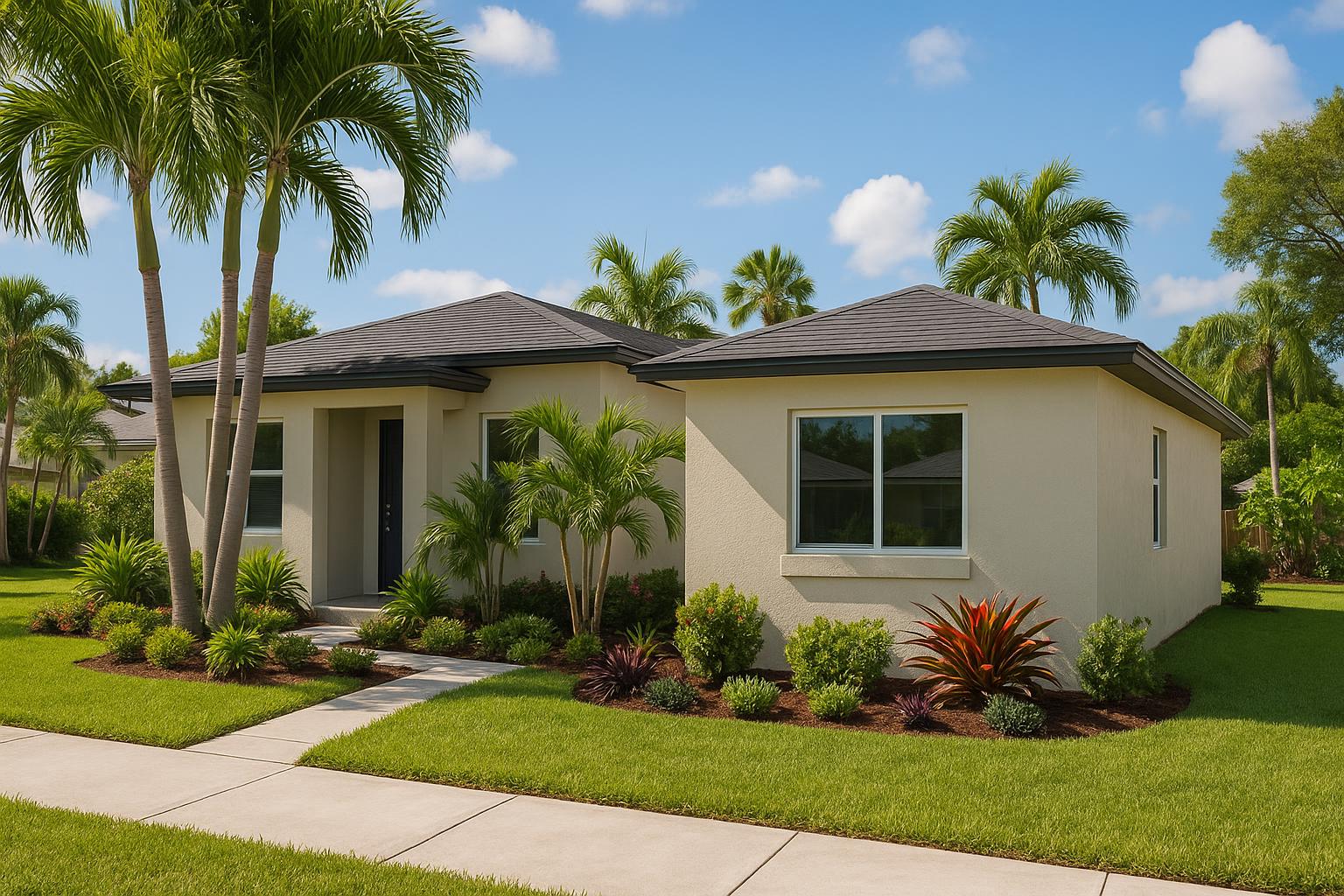
Why Hollywood Homeowners Are Adding Rooms Instead of Moving
If you've been living in your Hollywood home for a few years, chances are your needs have changed. Maybe your family has grown, you're working from home full-time, or your aging parents need a space of their own. Whatever the reason, you're running out of room — and the South Florida real estate market isn't making it easy to just pick up and move.
That's why more homeowners in Hollywood and surrounding areas like Pembroke Pines and Davie are choosing to add rooms to their existing homes rather than buy new ones. A well-planned room addition can give you the space you need, increase your property value, and let you stay in the neighborhood you love.
But here's the thing — room additions are one of the most complex remodeling projects you can take on. Without a clear plan, costs spiral, timelines stretch, and the finished product might not even match your original vision. This guide will walk you through every step so you can approach your project with confidence.
Step 1: Define Exactly What You Need
Before you call a contractor or sketch anything on a napkin, sit down and answer some honest questions:
- What is the primary purpose of this room? A home office has very different requirements than a guest bedroom or a family room.
- How many people will use this space regularly? This affects square footage, layout, and even HVAC considerations.
- Do you need plumbing? Adding a bathroom, kitchenette, or laundry hookup significantly impacts cost and complexity.
- Is this a long-term investment or a short-term fix? If you plan to sell within five years, you'll want to focus on additions that maximize resale value.
Getting crystal clear on your needs upfront prevents the most expensive mistake in remodeling: changing your mind halfway through construction.
Step 2: Understand Hollywood's Building Codes and Permits
Room additions in Hollywood, FL require permits from the city's Building Division. This isn't optional, and skipping this step can result in fines, forced demolition, or serious problems when you try to sell your home.
Here's what you need to know:
- Setback requirements dictate how close your addition can be to property lines. These vary by zoning district.
- Lot coverage limits cap the percentage of your lot that can be covered by structures.
- Florida Building Code has specific requirements for wind resistance, energy efficiency, and structural integrity — especially important in a hurricane-prone area like South Florida.
- HOA restrictions may apply if you live in a planned community. Some HOAs have strict rules about exterior modifications, materials, and even paint colors.
A reputable local contractor will handle the permit process for you, but it's smart to understand what's involved so you can ask the right questions.
Step 3: Set a Realistic Budget
Room additions in South Florida typically cost between $150 and $400 per square foot, depending on the complexity of the project. A basic 200-square-foot bedroom addition might start around $30,000, while a fully plumbed in-law suite could easily exceed $80,000 or more.
When building your budget, account for these commonly overlooked costs:
- Architectural or engineering drawings — required for permits
- Impact fees — some municipalities charge fees for additional square footage
- HVAC upgrades — your existing system may not be sized to handle the new space
- Electrical panel upgrades — older Hollywood homes may need a larger panel to support the addition
- Landscaping restoration — construction equipment can do a number on your yard
We always recommend setting aside 10 to 15 percent of your total budget as a contingency fund. Unexpected issues — like discovering outdated wiring or a cracked foundation — are not uncommon in older homes.
Step 4: Choose the Right Contractor
This is arguably the most important decision you'll make. The wrong contractor can turn a straightforward addition into a months-long nightmare. Here's how to find the right one:
- Verify their license. Florida requires contractors to hold a state-issued license. You can check this through the Department of Business and Professional Regulation website.
- Check for insurance. They should carry both general liability and workers' compensation insurance. Ask for certificates.
- Look at local experience. A contractor who regularly works in Hollywood understands the local permitting process, code requirements, and even the quirks of building on South Florida soil.
- Ask for references and visit completed projects. Photos are great, but walking through a finished addition tells you much more about quality.
- Get detailed written estimates. Vague quotes are a red flag. You want line-item breakdowns that specify materials, labor, timelines, and payment schedules.
At Cameo Home Renovation, we've guided countless homeowners through the room addition process right here in Hollywood and neighboring communities like Fort Lauderdale, Hallandale Beach, and Dania Beach. We handle everything from initial design through final inspection, so you always know exactly where your project stands.
Step 5: Plan for the Construction Phase
Even with the best planning, living through a room addition takes patience. Here are some practical tips to make the process smoother:
- Establish a clear communication plan with your contractor. Weekly updates — whether by phone, email, or an in-person walkthrough — keep everyone aligned.
- Prepare for noise and dust. If the addition connects to your existing living space, seal off adjacent rooms with plastic sheeting to minimize disruption.
- Know your timeline. A typical room addition in South Florida takes 8 to 16 weeks, depending on scope and permitting speed. Weather delays are common during hurricane season.
- Make decisions early. Selecting finishes like flooring, paint colors, lighting fixtures, and hardware before construction begins prevents costly delays.
Step 6: Think About Long-Term Value
Not all room additions deliver the same return on investment. According to national remodeling data, these additions tend to perform best at resale:
- Primary bedroom suites — especially in homes with only two or three bedrooms
- Family rooms or great rooms — open-concept living spaces are consistently in demand
- In-law suites or accessory dwelling units — multigenerational living is a growing trend, and these additions appeal to a wide range of buyers
The key is making sure your addition looks and feels like it was always part of the home. Matching rooflines, exterior materials, and interior finishes creates a seamless result that buyers — and appraisers — appreciate.
Ready to Add Space to Your Hollywood Home?
A room addition is a big investment, but when it's done right, it transforms the way you live. You get the space you need without the hassle and expense of moving, and you add real value to your property in one of South Florida's most desirable areas.
If you're considering a room addition in Hollywood or a nearby community, Cameo Home Renovation is here to help. We'll walk you through every step — from initial concept to final walkthrough — so you can enjoy the process as much as the finished space. Reach out to us today to start the conversation.